Om Parvat: Where It Is, Why It Matters and How to See It
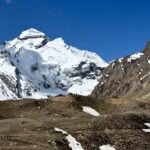
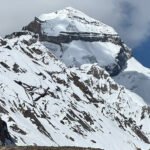
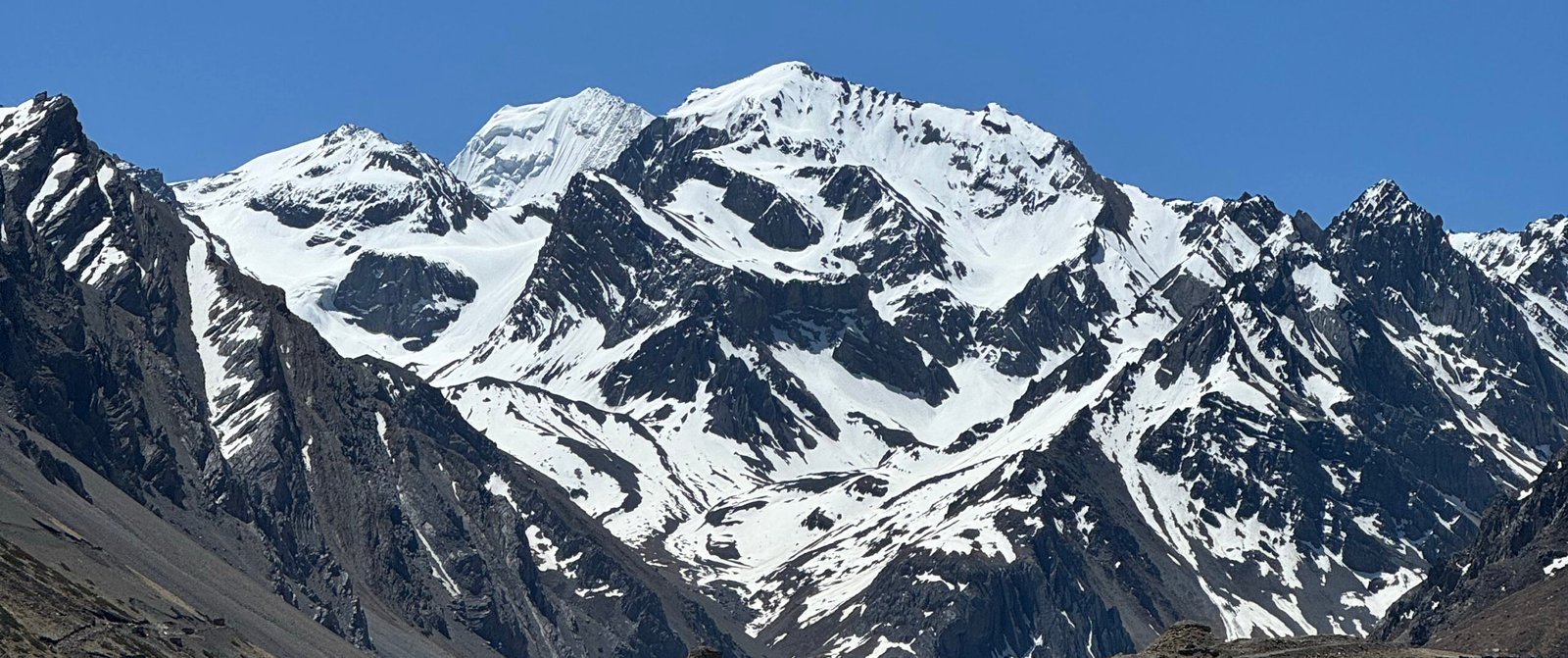
Om Parvat is one of those places you only truly understand once you see it. Snow settles in the mountain’s crevices so that it forms the shape of “ॐ”, the sacred syllable in Hindu tradition. No one carved it. That is what makes people stop and stay silent.
Where is Om Parvat?
Om Parvat is in the Dharchula region of Pithoragarh district, Uttarakhand, close to the Indian border with Nepal and China. The best-known viewpoint is near Nabhidhang, on the route beyond Gunji and Kuti, along the traditional Kailash Mansarovar route via Lipulekh.
Why is it considered sacred?
The “ॐ” is regarded as the primal sound in Hinduism, and it holds meaning in Buddhism and Jainism too. The mountain is linked with Lord Shiva in local belief, which is why many pilgrims combine Om Parvat with Adi Kailash on the same yatra.
Om Parvat and Adi Kailash: not the same place
They are often mentioned together, but they are two separate destinations on the same route. Adi Kailash (also called Chhota Kailash) is a peak near Jolingkong, while Om Parvat is viewed from Nabhidhang. Most yatra plans include both.
How to see it
- Travel from Dharchula to Gunji, then on to Kuti and Nabhidhang.
- Reach the viewpoint in the morning, when skies are usually clearer.
- Stay patient. Clouds can cover the peak for hours and then clear suddenly.
Tips for a good darshan
- Best months are May to June and September to October.
- The “ॐ” is clearest when the snow pattern is well formed and the sky is clear, so it is not equally visible on every day of the year.
- Carry warm layers, because the wind at the viewpoint is cold even in summer.
- Respect the area. Do not litter, and follow local guidance.
Plan your yatra
If you want the darshan without worrying about permits, stay and transport, our team at omparvatadikailashyatra can arrange the complete Om Parvat yatra for you.