Best Time to Visit Adi Kailash and Om Parvat
Choose the right month, and this yatra feels calm and rewarding. Choose the wrong one, and you may spend days waiting on a blocked road. Here is how the seasons actually work.
May to June: clear skies, stable roads
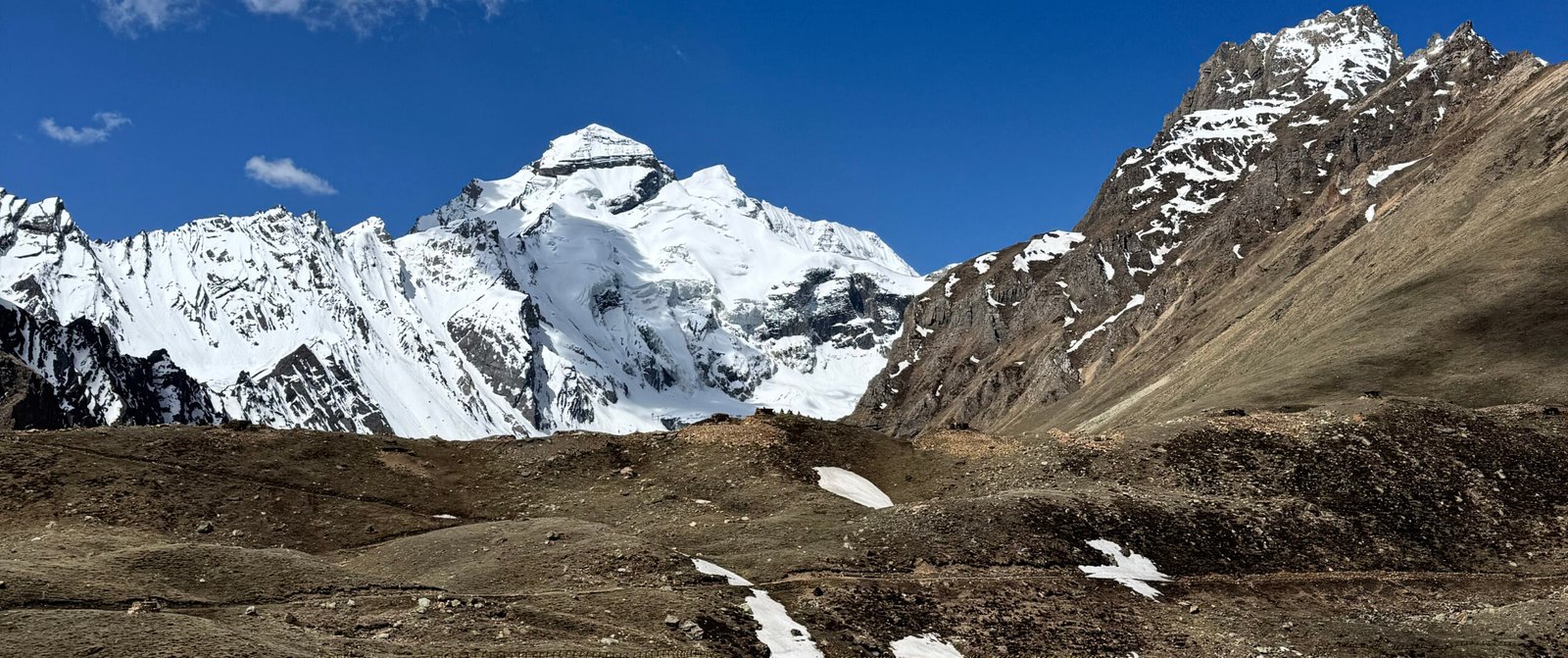
Late spring and early summer are the most popular months. Days are generally clear, and views of the snow peaks are at their best. Roads are usually open, and daytime temperatures are comfortable, though nights at Gunji and Kuti are still cold. Because this is peak season, book your permit and stay well in advance.
July to August: monsoon, best avoided
Heavy rain in the Kumaon hills often triggers landslides on the Dharchula-Gunji road. Closures can last hours or several days. Cloud cover also hides Om Parvat more often. We do not recommend planning this yatra during the monsoon.
September to October: quiet and clear
Once the rains retreat, the air turns crisp and the visibility improves. Crowds are smaller, and the landscape looks especially sharp. Temperatures drop quickly as October progresses, so pack heavier layers. Early to mid-September is usually the safest window, since some landslide risk may remain.
November to April: generally closed
Heavy snowfall and cold make the route unsuitable for regular yatra travel in winter.
Quick comparison
| Period | Weather | Roads | Crowd |
|---|---|---|---|
| May-June | Clear, cold nights | Mostly stable | High |
| July-August | Heavy rain | Landslide risk | Very low |
| Sept-Oct | Crisp, clear | Mostly stable | Moderate |
Our suggestion
If you want the most reliable plan, go in late May-June or late September-early October. Keep one buffer day in your schedule, because mountain weather does not follow timetables.